
Neck Pain: The Hidden Cause of Your Headaches
Health, Neck Headaches, Cervicogenic Headache
How Your Neck Is Secretly Causing Your Headaches (And How to Fix It)
If you’re tired of chasing headaches with coffee, pain pills, and dark rooms, it might be time to look a little lower—at your neck. Many people don’t realize that stubborn, recurring headaches often start in the muscles, joints, and nerves of the neck. The good news? Once you understand this connection, you can finally work toward real, lasting neck pain relief instead of just masking symptoms.
Neck Headaches: When the Pain in Your Neck Travels to Your Head
Neck-related headaches, often called neck headaches, are surprisingly common. Instead of starting deep behind your eyes or across your forehead like a typical tension headache, these headaches begin in the upper neck and then radiate upward. You might feel pain at the base of your skull, on one side of your head, or wrapping around to your forehead or behind your eye. Sometimes it even feels like a tight band from your neck to your temple.
These headaches are often linked to stiff joints between the neck vertebrae, irritated nerves, or tight, overworked muscles. Long days at the computer, hours scrolling on your phone, or even sleeping in an awkward position can all overload these tissues. Over time, your body starts to “refer” that neck pain up into your head, and you’re left wondering why your usual headache remedies don’t really work anymore.
What Is a Cervicogenic Headache?
The technical term for a neck-driven headache is a cervicogenic headache. “Cervico” refers to the cervical spine (your neck), and “genic” means “originating from.” In other words, the pain you feel in your head is actually being generated by a problem in your neck structures—such as the joints, discs, ligaments, or muscles around the upper three neck vertebrae (C1–C3).
Common signs that your headache may be cervicogenic include:
Pain that usually starts on one side of the neck and head, often staying on that side
Headache that gets worse when you move your neck or hold it in one position for a long time (like driving or working at a laptop)
Reduced neck mobility or a feeling of stiffness, especially at the base of the skull
Tender spots in your neck or upper shoulders that, when pressed, seem to “recreate” your headache
Unlike migraines, cervicogenic headaches typically don’t come with strong visual disturbances or intense sensitivity to light and sound, although some overlap can happen. That’s why getting a proper evaluation from a qualified healthcare provider is important, especially if your headaches are frequent, severe, or changing over time.
💡 Friendly Reminder: If your headache is sudden and severe, or you notice symptoms like slurred speech, weakness, or confusion, seek emergency care right away. It’s always better to be safe and get urgent symptoms checked.
Why Spinal Alignment Matters for Your Head
Your neck is the elegant, hard-working bridge between your head and the rest of your body. When that bridge is well-aligned, your muscles share the load, your joints move smoothly, and your nerves have room to breathe. When it’s out of balance, everything has to work harder, and that extra strain often shows up as both neck pain and headaches.
Spinal alignment simply means that the natural curves of your spine are supported and your head sits comfortably over your shoulders, not way out in front of them. Modern life, however, loves to pull us out of alignment: craning forward to read emails, hunching over steering wheels, or slouching on the couch with a tablet. This “forward head posture” increases the load on your neck several times over, compressing joints and tiring out muscles that were never meant to hold that much weight for so long.
Over time, this misalignment can irritate the nerves that connect the upper neck to the scalp, creating a perfect recipe for cervicogenic headache. By improving spinal alignment—through posture, movement, and targeted exercises—you reduce this strain and give your body a chance to heal instead of constantly fighting gravity.
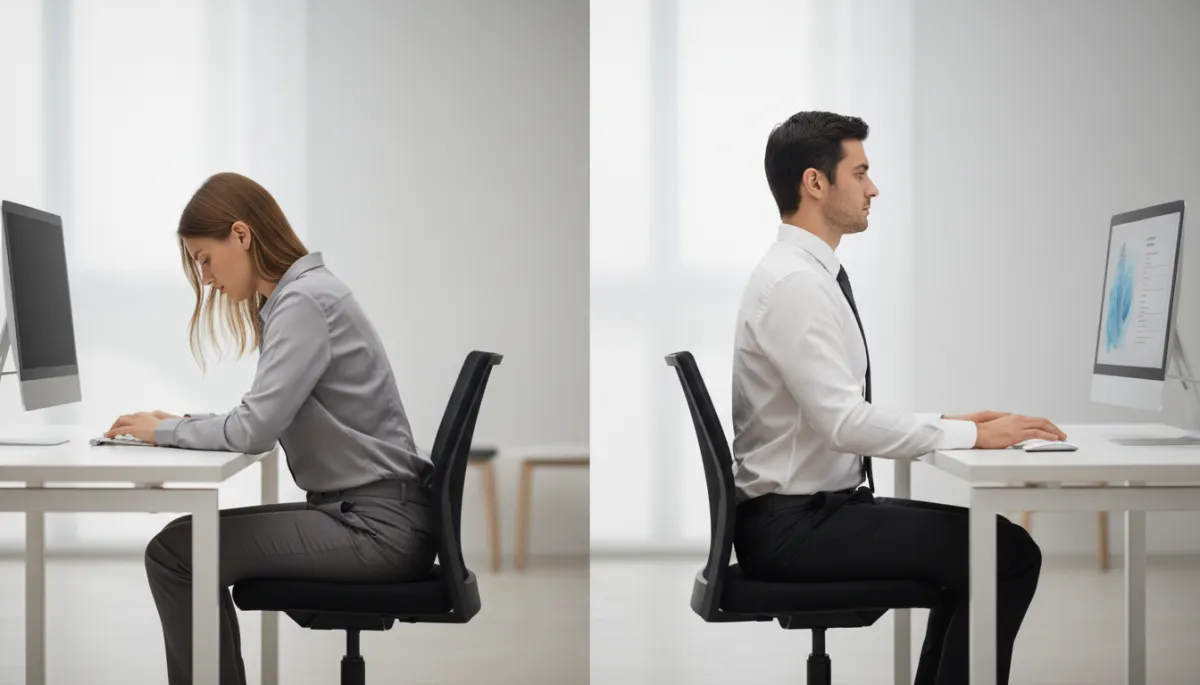
Small posture changes dramatically reduce neck strain and headache frequency over time.
Practical Neck Pain Relief You Can Start Today
While every body is unique, there are some gentle, neck-friendly strategies that many people find helpful. Think of these as building blocks for long-term neck pain relief rather than quick fixes. If anything causes sharp pain, dizziness, or tingling, stop and talk with a professional before continuing.
1. Reset Your Posture with the “Tall String” Trick
Imagine a gentle string attached to the crown of your head, lifting you up toward the ceiling. Let your shoulders relax down and back, and lightly tuck your chin so your ears line up over your shoulders. This simple visualization helps you find a more neutral neck position without forcing a stiff, military posture. Try this a few times a day—while waiting for coffee, sitting at a red light, or before starting a meeting.
2. Gentle Neck Mobility Breaks
Your neck loves movement, just not all at once after hours of stillness. Every 45–60 minutes, give it a mini break:
Slowly turn your head right and left, as if looking over each shoulder, 5 times each way.
Gently tilt your ear toward your shoulder (without shrugging), feeling a light stretch along the opposite side of your neck.
Perform a few slow chin tucks: draw your chin straight back, creating a “double chin,” hold for 3–5 seconds, then relax.
These tiny movement snacks help counteract the stiffness that feeds cervicogenic headache, especially if your job keeps you in one position for long stretches.
3. Supportive Self-Massage and Heat
Tight muscles around the base of your skull and across your upper shoulders often play a starring role in neck headaches. A warm shower, a heating pad wrapped in a towel, or a warm compress across the neck can help these muscles relax. You can also gently massage the tender spots with your fingertips or a soft massage ball against a wall. Aim for comfort, not intensity—you’re inviting the muscles to let go, not forcing them to submit.
💡 Friendly Tip: Pair heat or self-massage with slow breathing. Inhale through your nose, exhale a little longer through your mouth. This helps calm your nervous system and can make neck pain relief more effective.
Ergonomic Guidance: Make Your Space Work for Your Neck
Even the best exercises can’t compete with eight hours a day in a neck-unfriendly setup. Thoughtful ergonomic guidance can transform your workspace into an ally instead of an enemy. Here are some neck-saving tweaks you can make at home or in the office, often in just a few minutes.
Screen and Chair Setup
Raise your screen: The top third of your monitor should be at or slightly below eye level. Stack books or use a monitor stand so you’re not constantly looking down.
Bring the screen closer: Place it about an arm’s length away so you’re not leaning forward to read small text.
Support your back: Sit back in your chair with your lower back supported. When your spine is supported, your neck doesn’t have to overwork to hold you up.
Phone and Laptop Habits
Hold your phone closer to eye level instead of down in your lap. Your arms may get a bit tired at first, but your neck will thank you.
If you use a laptop for long periods, add an external keyboard and mouse so you can raise the screen without cramping your shoulders or wrists.
Use speakerphone or a headset instead of cradling the phone between your shoulder and ear—a classic trigger for neck headaches.
When to Seek Professional Help for Neck Headaches
Self-care can go a long way, but you don’t have to figure this out alone. If your headaches are frequent, interfering with work or sleep, or not improving after a few weeks of gentle changes, it may be time to work with a professional who understands cervicogenic headache and spinal alignment. They can assess your neck mobility, muscle balance, and posture, and create a tailored plan for neck pain relief that fits your life instead of taking it over.
Many people feel a huge sense of relief just knowing that their headaches have a clear source—and that with the right mix of hands-on care, exercise, and ergonomic guidance, they can finally move toward calmer, clearer days.

Bringing It All Together: Be Kind to Your Neck, Be Kind to Your Head
Your neck may be quietly driving your headaches, but that also means you have a powerful new way to address them. By paying attention to spinal alignment, building simple movement breaks into your day, adjusting your workspace, and seeking expert support when you need it, you give your body a chance to heal instead of just coping.
The next time a headache creeps in, instead of reaching straight for another pill, pause and check in with your neck. How are you sitting? How long have you been in that position? Could a few minutes of gentle movement or a small ergonomic tweak ease the strain? Little changes, repeated often, can add up to big shifts in how you feel—day after day, week after week.
You deserve a life where your energy goes into the things you love, not into battling constant headaches. Start with one friendly change for your neck today, and let your head enjoy the benefits tomorrow.


